REGISTER
Free, about 15 minutes
UK-coded beacons are registered with the UK Beacon Registry, part of the Maritime and Coastguard Agency. You need the beacon's Hex ID and an emergency contact who knows where you will be.
How to do it
WHAT THE RESCUE AUTHORITIES SAY
REGISTER IT before you need it
AI-generated image, not a photograph of a real person or place.
A personal locator beacon is a last-resort call for help.
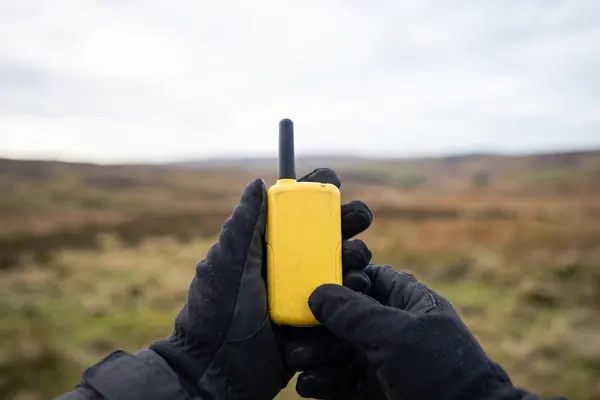
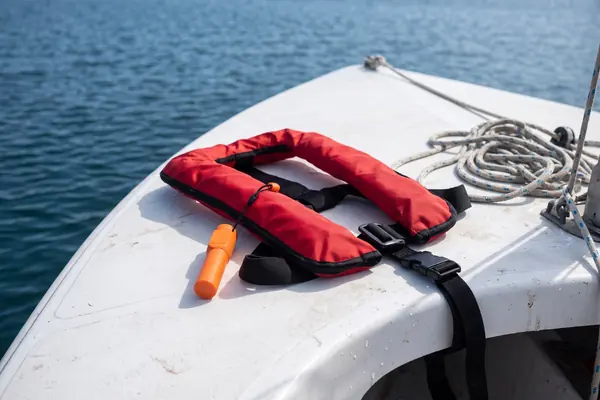
Pressed in a life-threatening emergency, a small 406 MHz beacon sends a coded distress alert via satellite to rescue authorities. How well it works depends on three dull things done in advance: registering it, testing it properly and keeping the details up to date.
THE SHORT ANSWER
The beacon only sends a code.
Your registration tells rescuers who you are.
REGISTER
UK-coded beacons are registered with the UK Beacon Registry, part of the Maritime and Coastguard Agency. You need the beacon's Hex ID and an emergency contact who knows where you will be.
How to do itTEST
Cospas-Sarsat warns that pressing the distress switch even briefly sends a real alert. Routine checks use the separate self-test setting, as often as the maker allows.
What to do whenUSE
In a real emergency the beacon must reach satellites overhead. A beacon that is under water or shielded by a boat, aircraft or rock may not be picked up quickly, or at all.
See the numbers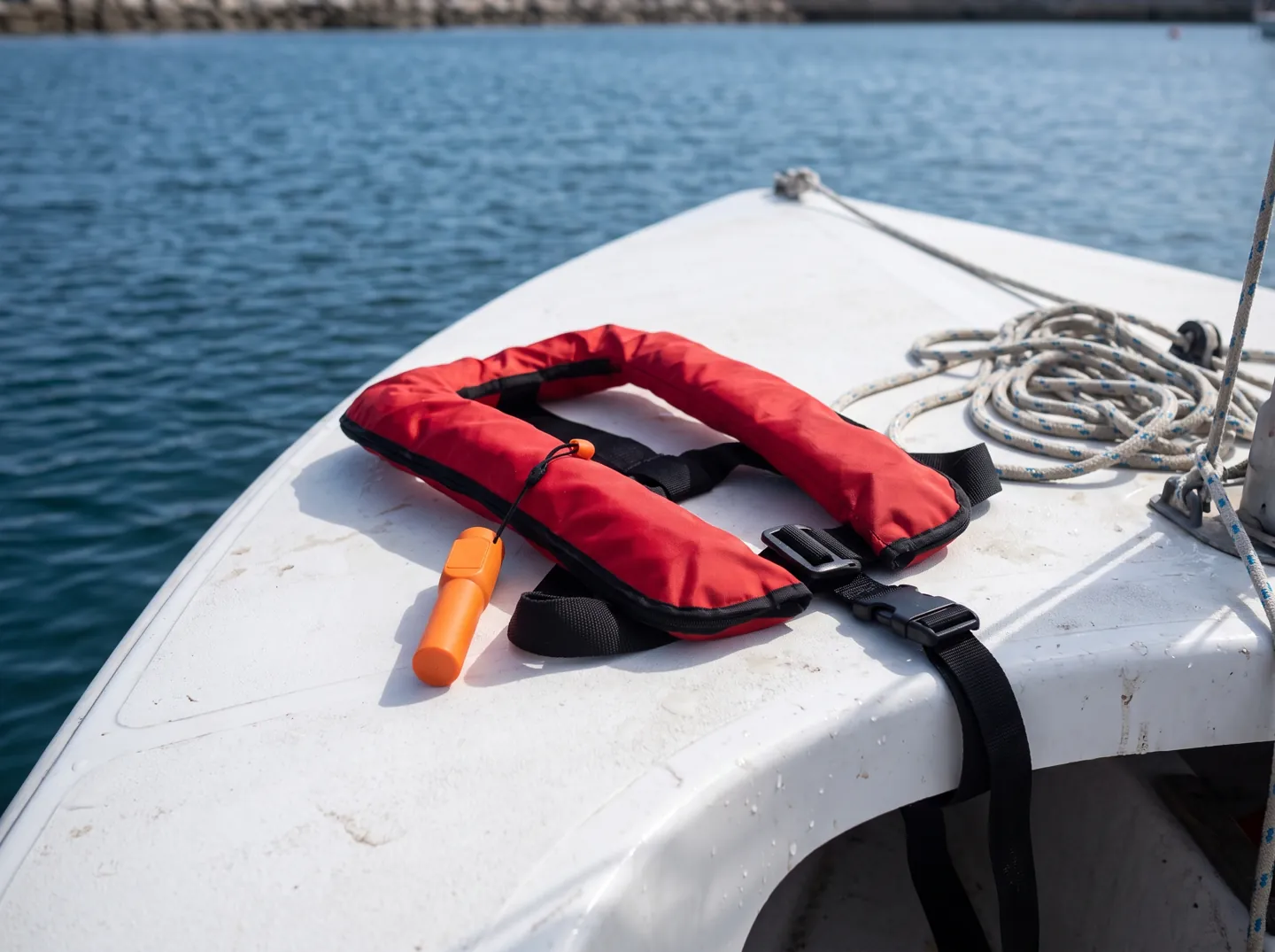
HOW TO GET IT RIGHT
These steps follow the UK Beacon Registry and the Cospas-Sarsat guidance for beacon owners.
Every beacon carries a label with its hexadecimal ID (the characters 0-9 and A-F). Note it with the serial number and model before you register.
Use the GOV.UK service to register a UK-coded PLB for any use: on land, at sea or in the air. You will be sent a certificate and waterproof registration labels.
The registry asks for an emergency contact. They should know who is using the beacon and where, so rescuers can tell a real alert from a false one.
Update your details when your plans, phone number or ownership change. Moving a beacon to another country usually means reprogramming its country code.
TWO NUMBERS WORTH KNOWING
One figure on false alerts in the UK,
one on how long a PLB can keep calling.
92%
406 MHz distress alerts that were false
The Maritime and Coastguard Agency says 92% of UK distress alerts received via 406 MHz beacons in 2024 were false alerts, which is why up-to-date registration details matter so much.
UK · MCA 2024
≈ 24 hours
Typical PLB operating time
A PLB's battery typically allows about 24 hours of operation, compared with at least 48 hours for a ship's EPIRB. Unnecessary self-tests eat into that reserve.
BATTERY · MCA
Cospas-Sarsat says there are more than 1.5 million of its 406 MHz distress beacons in operation worldwide.
A QUICK SITUATION CHECK
Pick a situation to see what the guidance says to do. The bar shows how urgently you need to act.
General information from the international Cospas-Sarsat programme and the UK Maritime and Coastguard Agency. Always follow your beacon maker's instructions.
HOW THE ALERT TRAVELS
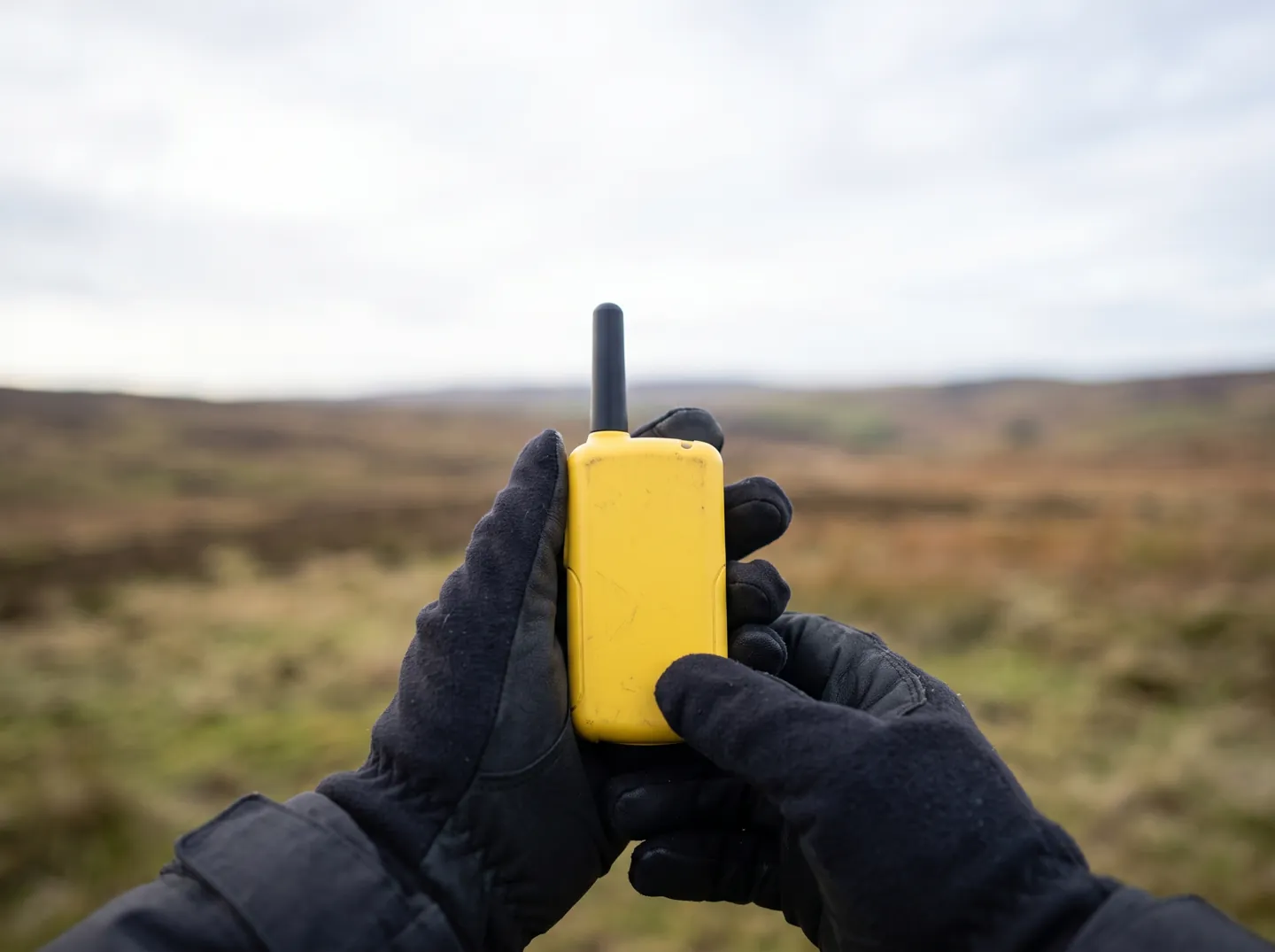
Once activated, a beacon sends short, digitally coded bursts. Satellites relay them to a ground station, which works out the location and passes the alert to a Mission Control Centre, which routes it to the search and rescue authority for that area.
The alert also goes to the country coded into the beacon, and rescuers look up the registration database for your details and emergency contacts. Some satellites pass overhead only at intervals, so a beacon in a deep valley or canyon may take longer to be detected.
In conversation
If a 406 MHz PLB is carried on a UK-registered ship, hovercraft or watercraft, registration is mandatory. For other uses, such as hill walking or kayaking, the MCA and Cospas-Sarsat strongly encourage it. It is free and takes around 15 minutes.
Yes. Cospas-Sarsat's table of national rules lists the United Kingdom as recognising PLB activations on land, at sea and on aircraft, and the UK registry accepts PLBs for any use.
No. Activating the distress function for even a very short time sends a real alert. Use the separate self-test switch or setting as described by the maker.
Turn it off or shield it in a metal container, then contact the rescue authorities to cancel the alert. Switching off alone does not cancel an alert already sent. There is no penalty if there was no malicious intent.
A PLB must be held out of the water to transmit. A submerged beacon, or one with its antenna blocked, is unlikely to be received by the satellites.
Each figure on this page comes from the sources below.
ABOUT THIS NAME
actiontechgear.com is part of the DoodleSale portfolio. It isn't in an auction right now, but you can ask about leasing it.